Wheat Vermicelli vs Rice Vermicelli: Avoiding a Product Naming Error
Do not rely on the word vermicelli alone. Compare ingredients, allergen status, cooking use and market naming before ordering.
“Vermicelli” describes a thin format in many markets, but it does not identify the raw material. Buyers can accidentally request, label or promote the wrong product if they assume every vermicelli is made from rice.
Start with the ingredient statement
Ask for the exact ingredients and allergen declaration for the SKU. Wheat-based vermicelli and rice-based vermicelli can look similar in photographs while requiring different category, allergen and cooking communication.
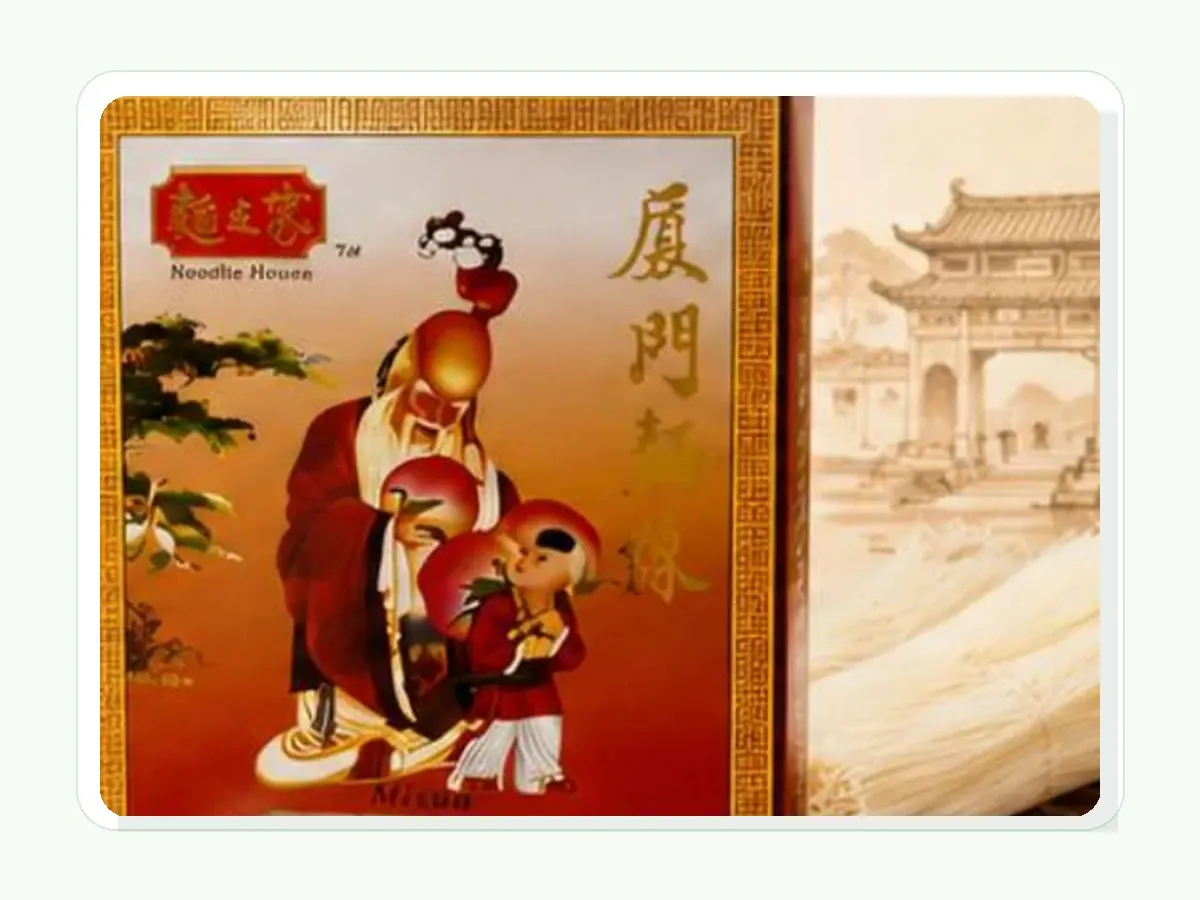
The 2026 Noodle House product catalog lists wheat flour, water and salt for Amoy Flour Vermicelli. This is a wheat-based product, not rice vermicelli. Rice noodles and rice vermicelli are not part of the range documented in that catalog; ask separately about any product outside the listed range.
The catalog reference is 300 g (10.6 oz) per box, 40 boxes per carton and a stated 24-month shelf life. It lists 100 cartons as the catalog MOQ reference. Reconfirm all specifications, labeling and commercial terms for the actual order.
Naming affects search and inquiries
A page titled only “vermicelli” may attract buyers seeking rice, mung bean, glass or wheat products. Use a specific title and explain synonyms relevant to the destination without presenting them as identical.
Specific naming gives buyers a clearer way to check product fit before contacting a supplier. It does not, by itself, establish that search traffic or qualified inquiries will increase.
Cooking behavior must be tested
Do not predict preparation from the name. Review the product instructions, then test the exact sample in soup, dry-tossed or other intended applications. Record texture, breakage and cooking window.
Label and channel review
The front name, ingredient statement, allergen declaration, nutrition information and cooking instructions must tell a consistent story. Retail buyers should also check what shoppers in the destination understand by “vermicelli.”
A commercial identity line for the inquiry
For the documented Amoy product, an inquiry can state: Amoy Flour Vermicelli; wheat flour, water and salt; catalog pack 300 g per box, 40 boxes per carton; intended application: soup or stir-fry; destination market and requested quantity: to be supplied by the buyer.
Ask the supplier to confirm that the sample, current specification, label artwork and quotation all describe that same product and pack. If a buyer actually requires rice vermicelli, identify the raw-material mismatch before discussing MOQ or price. Do not approve a substitution based only on a similar product photograph.
A practical inquiry format
State the required raw material, intended dish, strand preference, pack size, quantity, destination and reference product. If the raw material is open, ask the supplier to show separate coded options with specifications.
FAQ
Is all vermicelli gluten-free?
No. Never infer allergen status from the word. Verify ingredients and evidence for the exact SKU.
Is wheat vermicelli the same as rice vermicelli?
No. They differ in raw material and may differ in cooking and labeling.
Can images identify the product?
Images are not sufficient. Use a product code, specification and sample.
Request the correct vermicelli specification
Review the Amoy flour vermicelli page and send your ingredient, application, pack and destination requirements through the contact page.